Saturday Market and the Farmers Market Keep Downtown Eugene Handmade
In the Park Blocks at 8th and Oak, Eugene's Saturday Market and the Lane County Farmers Market turn a few downtown blocks into the city's weekly argument for buying things from the people who made them.
Downtown Eugene has a Saturday ritual older than many of its residents. The Eugene Saturday Market first opened on May 9, 1970, and it is recognized as the oldest weekly open-air crafts market in the United States. Its founding rule still defines it: the maker is the seller. The person behind the booth made what is on the table, and that simple requirement has kept the market handmade for more than five decades.
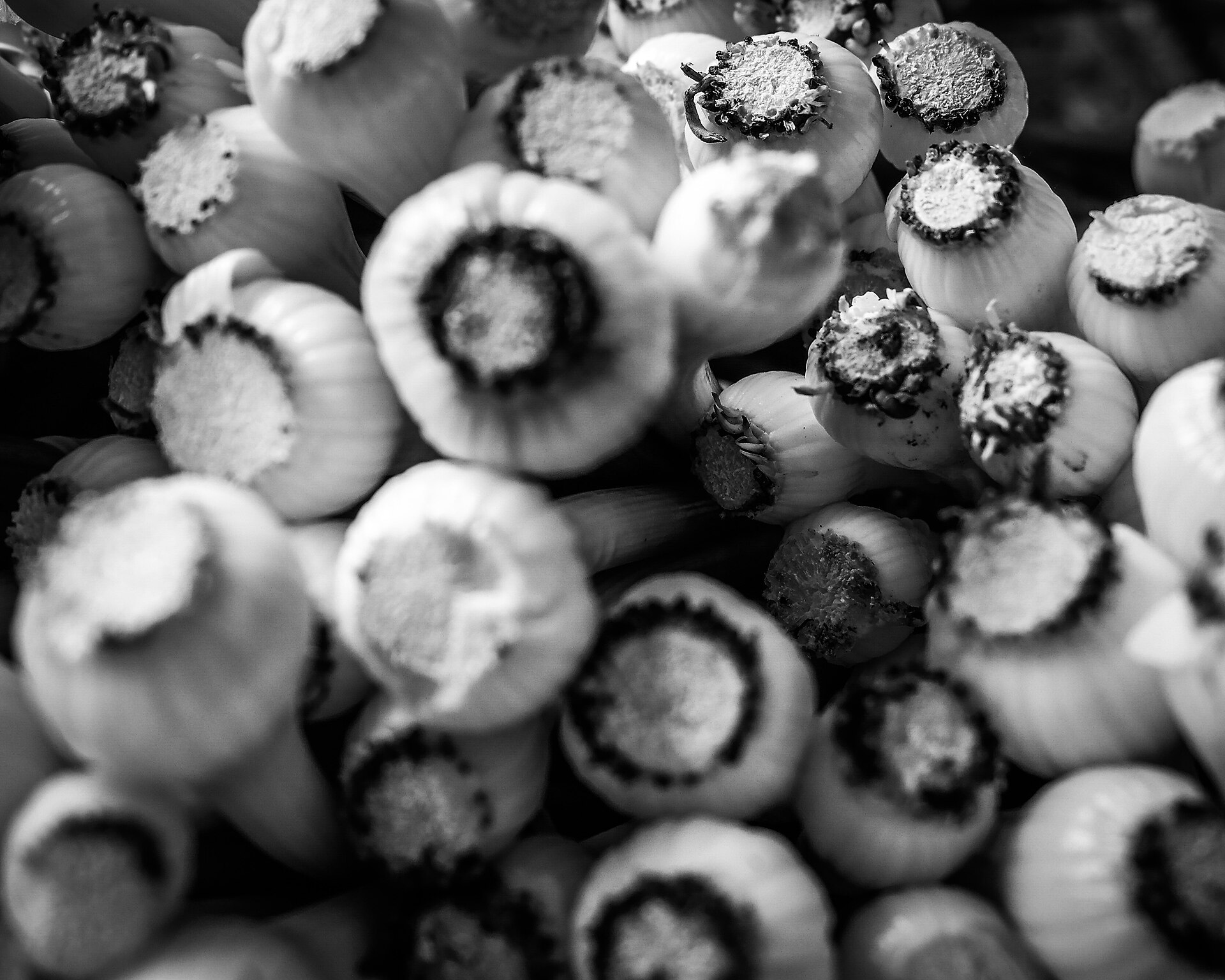
The market's festival atmosphere is the visible part — craft booths, food booths and live performers filling the Park Blocks with color, as in our photograph of green onions at a Saturday Market stall. The less visible part is economic. For generations of Eugene artisans, a Saturday booth has been a first storefront, a testing ground and a livelihood, in a city that has always taken its crafts economy seriously.
Sharing the same downtown ground at 8th Avenue and Oak Street, the Lane County Farmers Market connects the city directly to the farms of the southern Willamette Valley. It describes itself as Eugene's largest farmers market, providing locally grown foods from farmers and food artisans, and its roots reach back to the first public market in Lane County, which began in 1915 on the same corner where the market stands today.
Together, the two markets do something no single store can: they compress a whole regional economy into a walkable few blocks. A shopper can buy vegetables from the grower, a gift from its maker and lunch from a local cook in a single circuit, with the money staying visibly local at every stop. In November, the markets also mark the season — the shift from summer abundance to the storage crops, greens and holiday goods of the valley's colder months.
As Eugene Track Town News begins covering downtown, we will treat the markets as what they are: not a quaint backdrop, but working institutions. Vendor rules, market seasons and downtown changes all shape who gets to sell here and who gets to eat well. That is a local-news story, and it renews itself every Saturday.